Guide · INT.04 Drive · 7 min read
Planning a weekend drive people remember
Route logic, stop spacing and pace — how to plan a day that's about the road, not the place you park at the end of it.
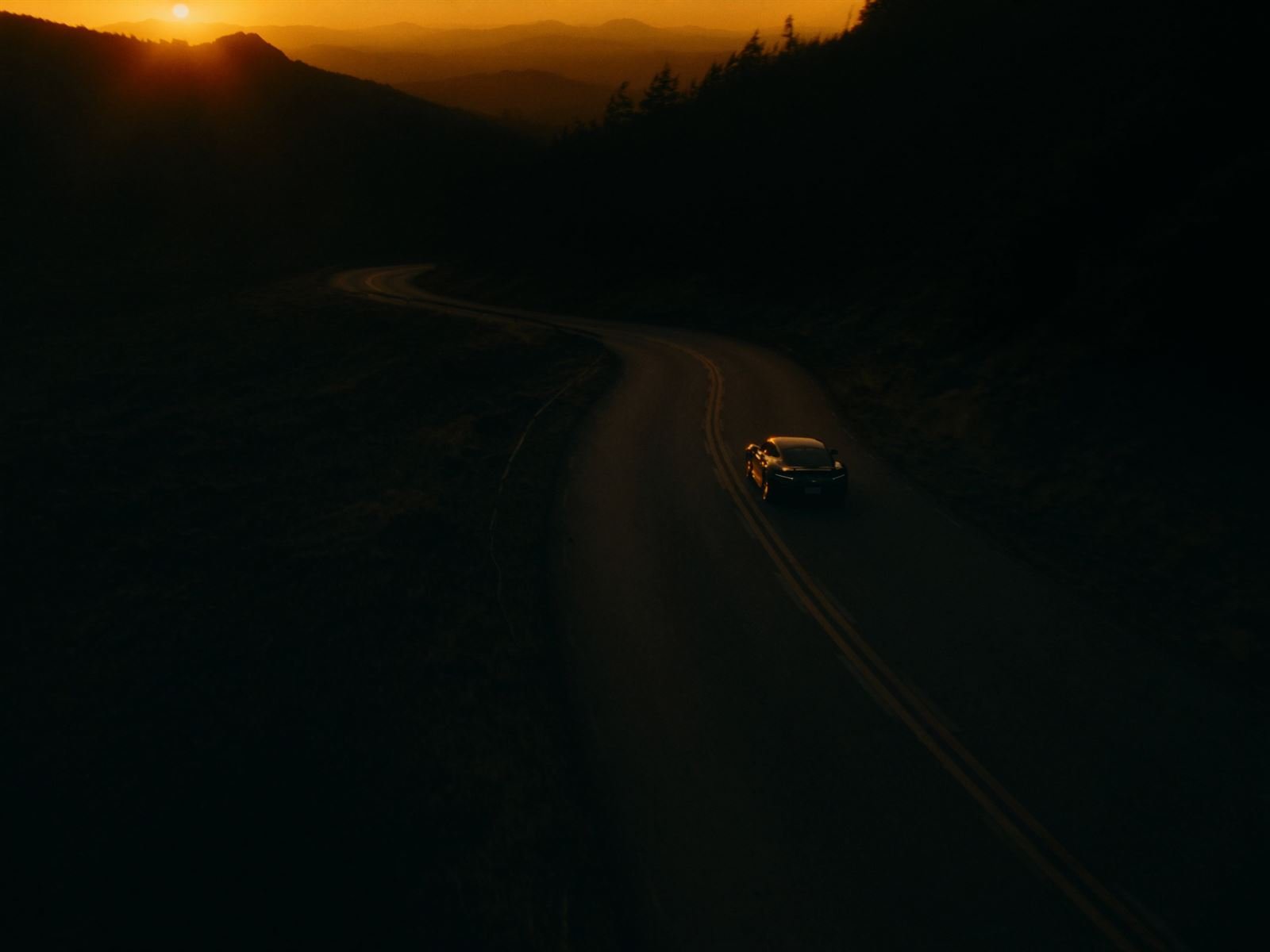
Ask someone about the best drive of their life and they describe a road, not a place. A ribbon of tarmac over a pass, a coast section with the windows down, a forest stretch where the light did something. Yet most people plan drives the way they plan errands: pick a destination, let the sat nav choose, then wonder why the day felt like commuting with scenery. Good weekend drives are planned backwards from the road itself, and the planning takes less time than you think.
01 — Plan the road, not the endpoint
The destination is an excuse. It gives the day a shape and gives your passengers an answer when someone asks where you went, but it is not the point. Start instead with the best 40 kilometres within reach — the pass, the river valley, the old national road the motorway made obsolete. Build the rest of the day around delivering you to that section rested, fuelled and in daylight.
Once you have the centrepiece, close the loop. Loops beat out-and-backs almost every time, because nobody loves retracing a road they drove three hours ago, and the return leg of an out-and-back always turns into a slog. A loop keeps every kilometre new, lets you place the boring connecting roads early while everyone is fresh, and delivers you home from a different direction than you left.
- Centrepiece first: the 40 km you'd drive twice on purpose.
- Loop it: same start and finish, no repeated roads.
- Boring bits early, best bits after the second coffee.
02 — The rhythm: drive, stop, drive
Every good drive has a pulse. For the driver, three hours behind the wheel is a pleasure; for everyone else it is a hostage situation. Treat 90 to 120 minutes of driving per stop as the ceiling — past that, passengers stop looking out the window and start looking at their phones, and the mood in the car curdles quietly.
Stops need a reason. A lay-by with a bin is not a stop; it is a pause with extra steps. Food, a view, a fuel top-up, a castle, a good bakery in a town nobody has heard of — each stop should be something a passenger would mention later. And place the best stop of the day about two-thirds of the way in. Early enough that nobody is tired of the car, late enough that it feels earned, and it gives the final leg a pleasant, unhurried wind-down instead of a race home.
"A drive is remembered by its best road and its best stop. Plan those two, and the rest is connective tissue."
03 — Pace and group logic
If more than one car is coming, the slowest car sets the plan. Not as charity — as physics. A route that is a joy in a hot hatch is a chore in a loaded SUV, and a convoy paced for the fastest driver splits within twenty minutes. Plan for the car with the least power and the smallest tank, and everyone arrives together and happy.
Brief the route once, at the start, over coffee: the roads, the stops, the finish. Then abandon convoy discipline entirely. Trying to hold a line of cars together through traffic is stressful and slightly dangerous; regroup points are calmer and self-correcting. Everyone drives their own pace, everyone knows where the next meeting spot is, and nobody runs a red light to keep a bumper in sight. Fuel is the other quiet trap — ranges differ more than people expect, so plan fills around the thirstiest tank, not the average one.
| Group | Regroup style | Stop length | What kills it |
|---|---|---|---|
| Solo | None needed | Short, frequent | Skipping stops entirely |
| Two cars | Loose visual | 20–30 min | Pace mismatch, no briefing |
| Four+ cars | Fixed points | 40+ min | Convoy discipline attempts |
04 — Let the tool do the boring part
Everything above is judgment: which road, which bakery, which friends. What follows is admin — sequencing the stops, spacing them sensibly, estimating timings, and producing something the group can actually read. That part belongs to software. Hand your corridor to driveweekend ↗ and it builds an editable itinerary around it: drag the stops, adjust the spacing, and share the result as a link instead of a group-chat essay.
Two loose ends worth closing before Saturday. If several cars are coming, agree the money before the first fuel stop — the fuel cost splitter turns "we'll sort it later" into actual numbers in about a minute. And if you want more roads like this one, the drive shelf collects everything we build for people who drive for the sake of it. Pick the road, set the rhythm, brief the group once. That's the whole craft; the tools carry the rest.