Guide · INT.01 Track · 11 min read
Track insurance: what's actually covered
The fine print between "have fun" and "you're on your own" — how road policies treat track days, and what dedicated cover actually costs.
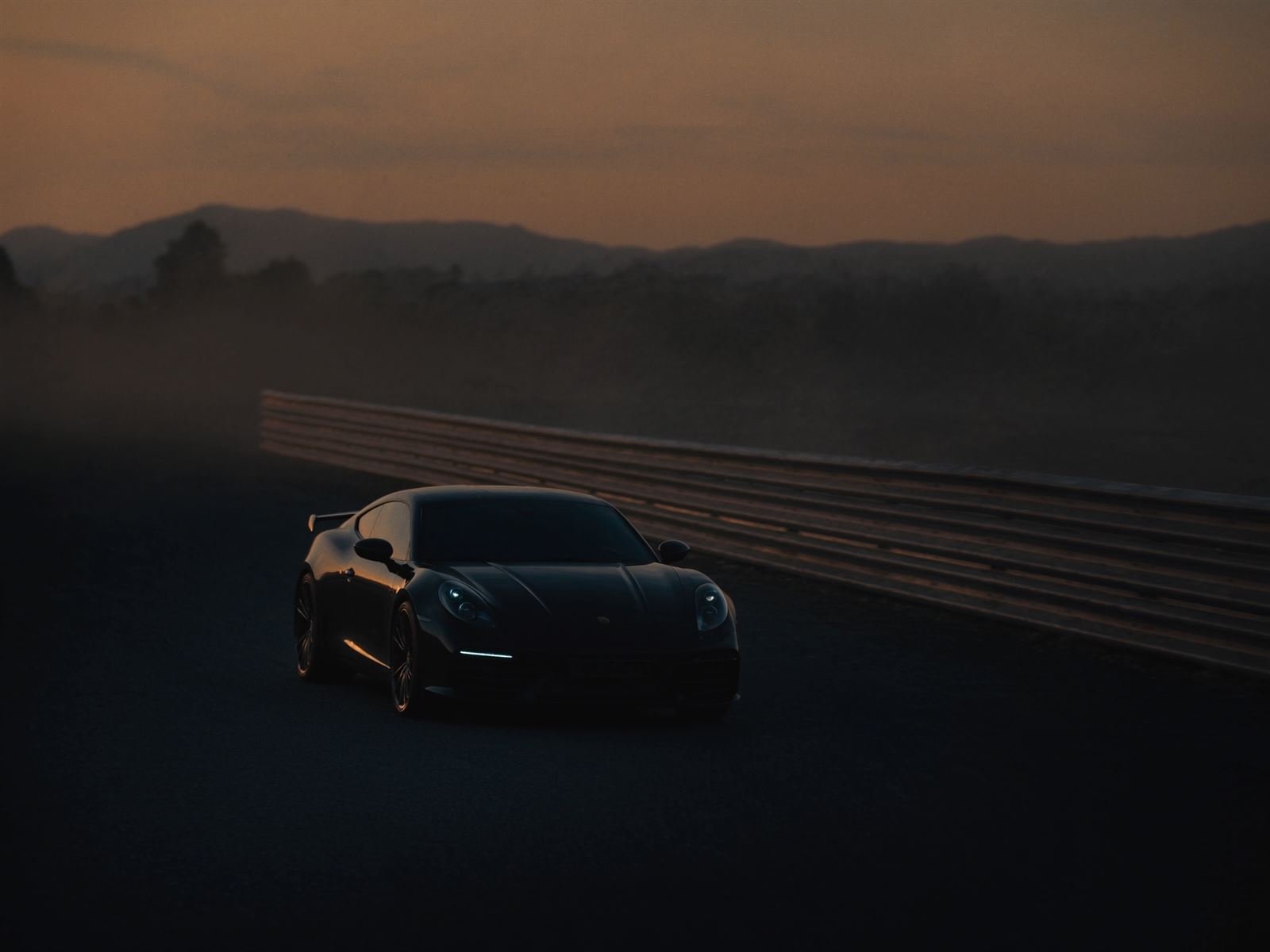
Most drivers find out what their policy covers at the worst possible moment. The paddock version of this conversation is always the same: someone assumed, someone binned it, and someone is now on the phone learning a new word for "no". This guide is the ten-minute version of that phone call, had in advance, while it can still change your plans.
01 — Your road policy almost certainly says no
Most EU and UK road policies carry an exclusion worded something like "racing, pace-making, speed testing and motorsport events". Many go further and explicitly exclude any use on a circuit, timed or not. A few insurers treat untimed, non-competitive track days differently, and some will extend cover for a fee if you ask before the event. But the pattern to internalize is this: silence is not cover. If your policy documents don't mention track use, that is not a loophole — it's a question you haven't asked yet.
The only answer that counts is a written one. A reassuring phone agent is worth nothing at claim time. Email your insurer, describe the event (open pit lane, untimed, no competition), and keep the reply. If the reply is "excluded", you now know your car is effectively uninsured for own-damage the moment you pass the pit exit line, and you can plan around that fact instead of discovering it.
02 — The three ways a track day can cost you
People fixate on their own car, but a bad day has three separate bills. First, your car: crash damage, a cooked engine, a gearbox that chose today. Second, someone else's car: contact is rarer on track days than the internet suggests, and many organizers run a "no fault claimed" convention, but that convention is social, not legal — a determined owner can still pursue you. Third, the circuit's furniture: barriers, armco, gravel trap recovery, catch fencing.
That third one surprises everyone. At many venues, barrier and armco repair is invoiced directly to the driver who hit it, and typical armco repair bills run to four figures before your own car gets a single new part. Recovery from a gravel trap is often billed separately on top. Read your track day booking terms — the liability clause is usually right there, unread.
"The barrier doesn't care whose fault it was. The invoice has your name on it either way."
03 — What dedicated track day insurance looks like
Dedicated track day policies exist precisely because road policies bail. The standard product is a per-event policy covering own-damage: you declare the car's value, pick the event and circuit, and pay a premium that typically lands in the low single-digit percent of that declared value per day, with an excess often around 10% of the sum insured. Some policies add cover for circuit property liability and recovery; others sell those as extras.
If you run several events a year, annual multi-event policies exist and usually beat stacking per-day premiums somewhere around the third or fourth event. And one special case deserves its own sentence: the Nürburgring's Touristenfahrten sessions are treated by many track policies as their own category — excluded outright or priced separately — because the claims history there is what it is. If the Ring is your plan, say so explicitly when you get quotes.
04 — Reading a policy in five minutes
Whatever quote lands in your inbox, the same five rows decide whether it's worth signing. Here's the shape of the comparison, with the honest generic answers filled in.
| Cover line | Road policy | Track day policy | Ask about |
|---|---|---|---|
| Own damage | Usually excluded | Core cover | Excess %, declared value |
| Third-party car | Usually excluded on circuit | Sometimes included | Whether contact voids it |
| Circuit property | Usually excluded | Often extra | Armco / barrier limit |
| Recovery & transport | Rarely on circuit | Often extra | Gravel trap recovery fees |
| Nordschleife | Usually excluded | Often excluded or priced apart | Touristenfahrten wording |
If a quote can't give you a clear written answer on all five rows, that isn't a cheap policy — it's an unfinished one.
05 — The honest math
Self-insuring is a legitimate choice, not a failure of nerve. If you track a cheap car with cheap parts, the worst realistic day might cost less than two seasons of premiums, and carrying that risk yourself is rational. The question is not "is insurance worth it" in the abstract — it's what your worst day costs against what you can absorb.
So run the worst-day number the way the true cost calculator and lapcost teach you to run every other number: write down the car's value, add the plausible barrier bill, and compare that total to your season budget from the Track Day Cost Index 2026. If losing the car ends your season, insure it. If it's an annoyance you'd shrug off by autumn, maybe don't. Then let firstlap ↗ put "insurance answer, in writing" on your prep list and lapcost ↗ fold the premium into your real cost per lap.
This guide is estimates and general information, not insurance advice — policies differ by country and insurer, so confirm your own cover with your insurer in writing before any event.